Retailhubstore

Dog Breeds, Popular Dog Food in the USA, and How to Take Care of Your Dog

Dogs are among the most popular pets in the United States. From playful Golden Retrievers to loyal German Shepherds and small French Bulldogs, every dog breed has its own personality, exercise needs, grooming requirements, and dietary preferences. Choosing the right breed and providing proper nutrition and daily care are important for keeping your dog healthy and happy.

Popular Dog Breeds in the USA

1. Labrador Retriever

Labrador Retrievers are friendly, intelligent, energetic, and highly trainable. They are popular family dogs and generally enjoy outdoor activities, walks, swimming, and playing fetch.

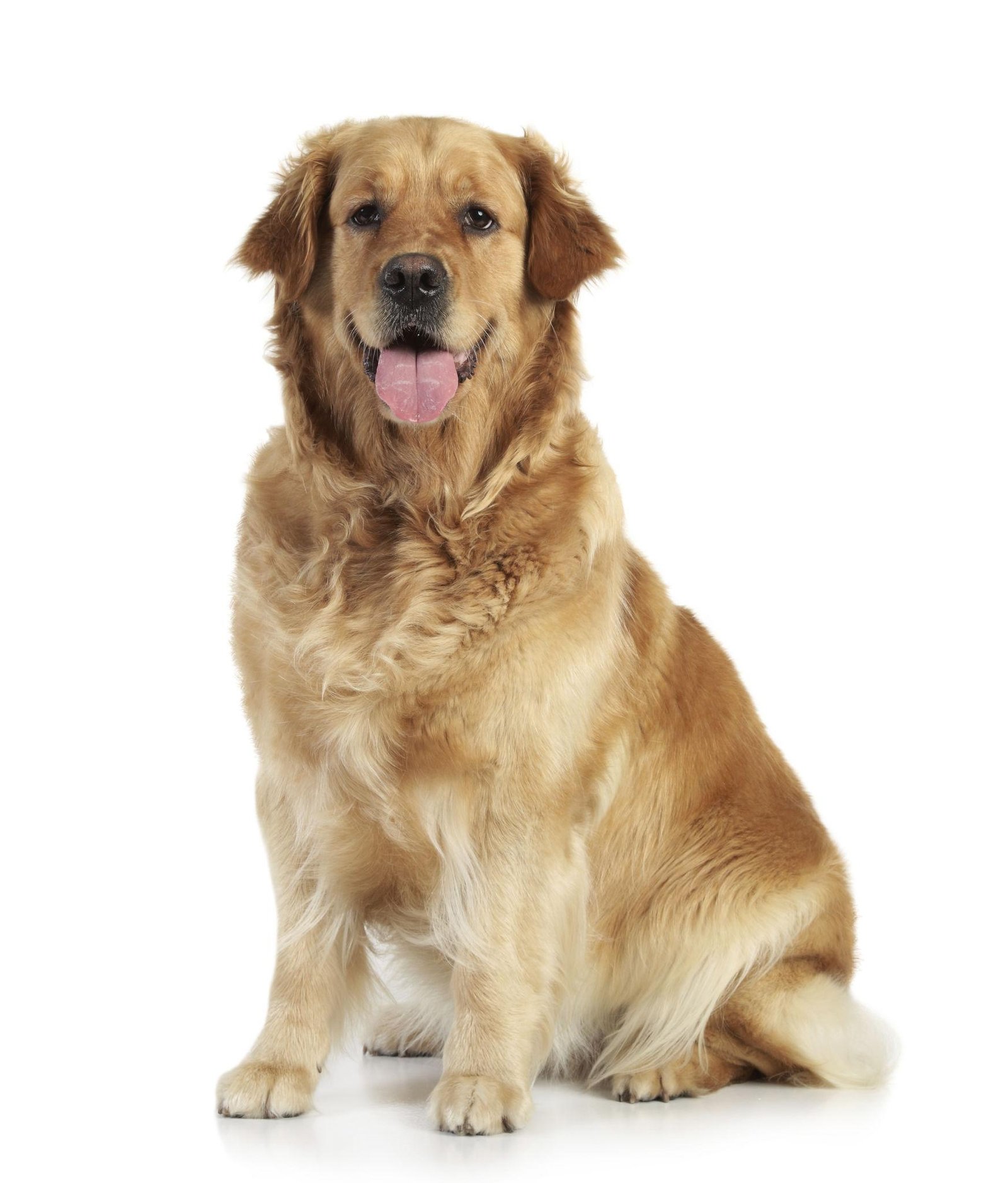
2. Golden Retriever

Golden Retrievers are known for their gentle temperament and loyalty. They are intelligent and social dogs that usually enjoy spending time with their families. Regular exercise and grooming are important for this breed.

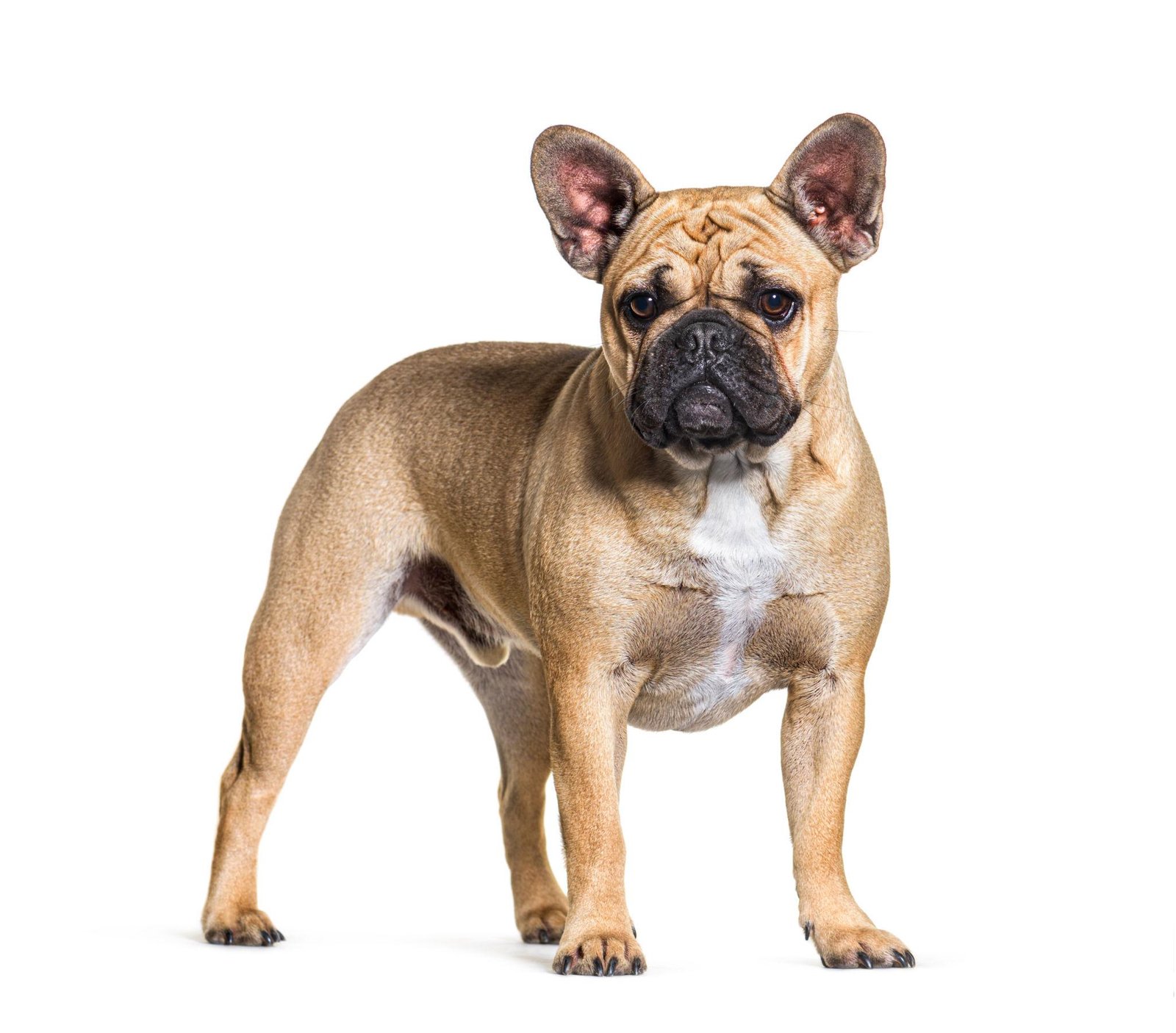
3. French Bulldog

French Bulldogs are smaller dogs with playful and affectionate personalities. They can adapt well to apartment living, although owners should be careful with excessive heat and strenuous exercise because of their short noses.

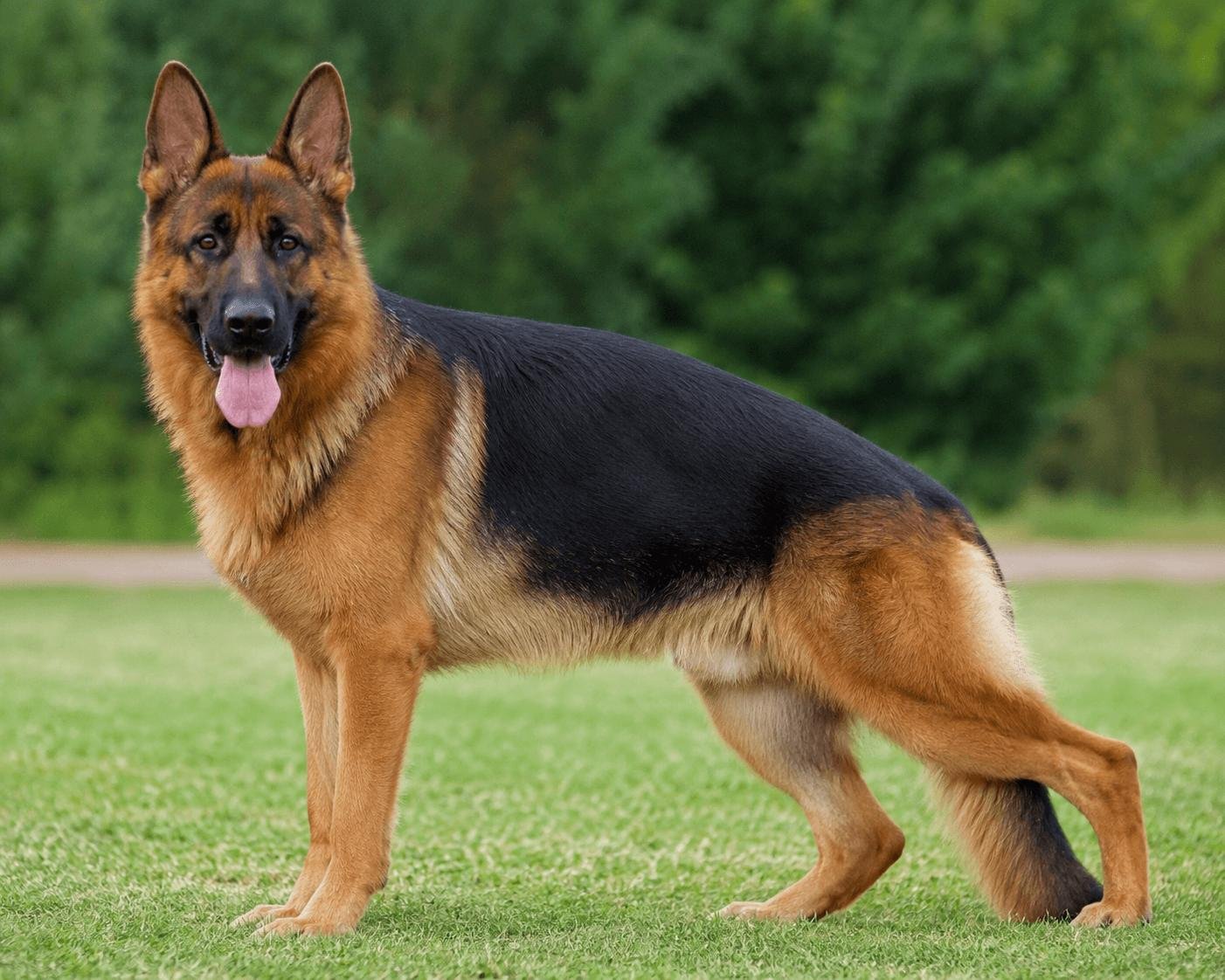
4. German Shepherd

German Shepherds are intelligent, active, and protective. They need regular physical exercise as well as mental stimulation. Consistent training and socialization are particularly important.

5. Poodle

Poodles are intelligent and come in Standard, Miniature, and Toy sizes. Their curly coats require regular grooming, but they are highly trainable and can make excellent companions.

6. Dachshund

Dachshunds are small, energetic dogs recognized for their long bodies and short legs. Because of their body shape, owners should take care to minimize activities that put unnecessary strain on their backs.

Famous Dog Food Brands in the USA

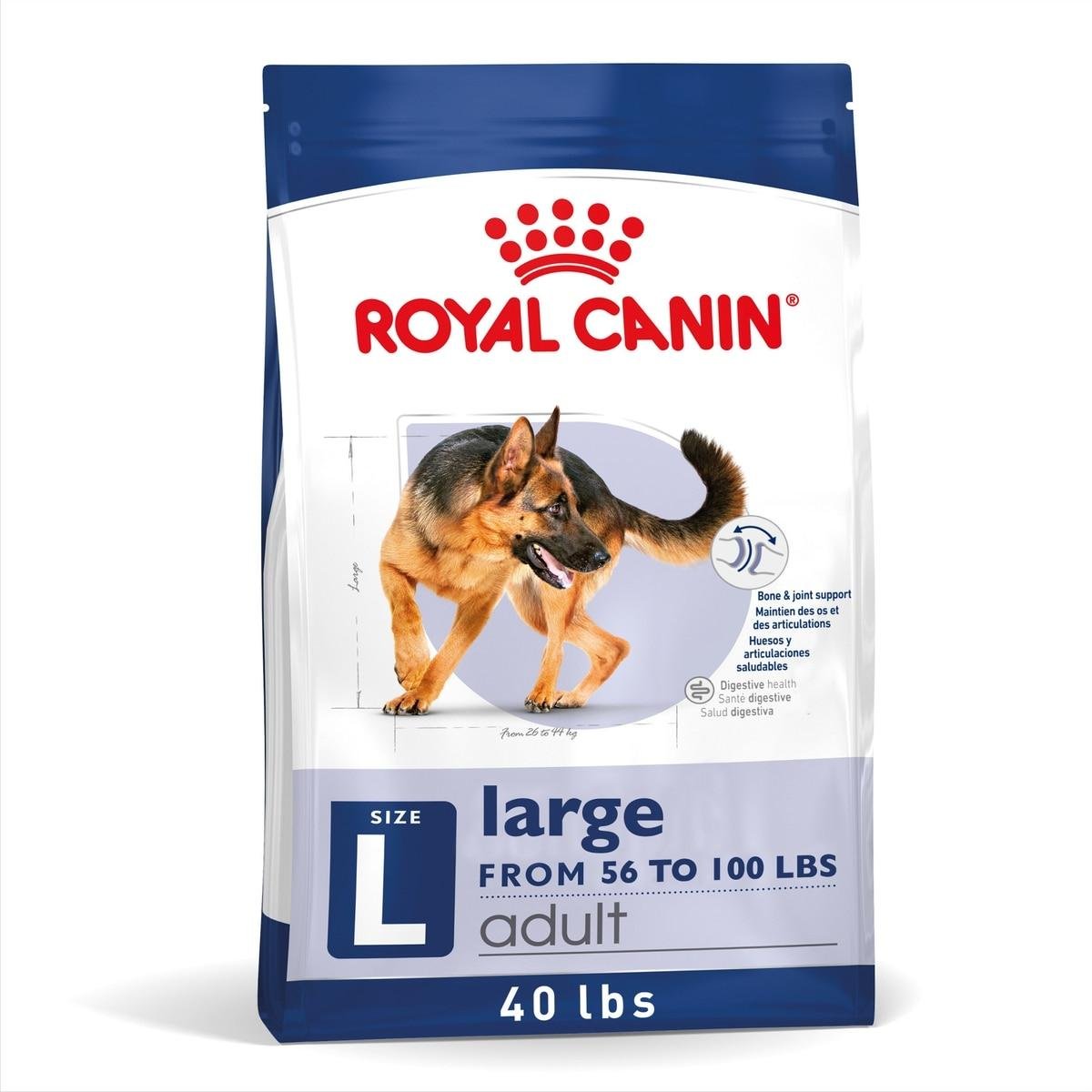
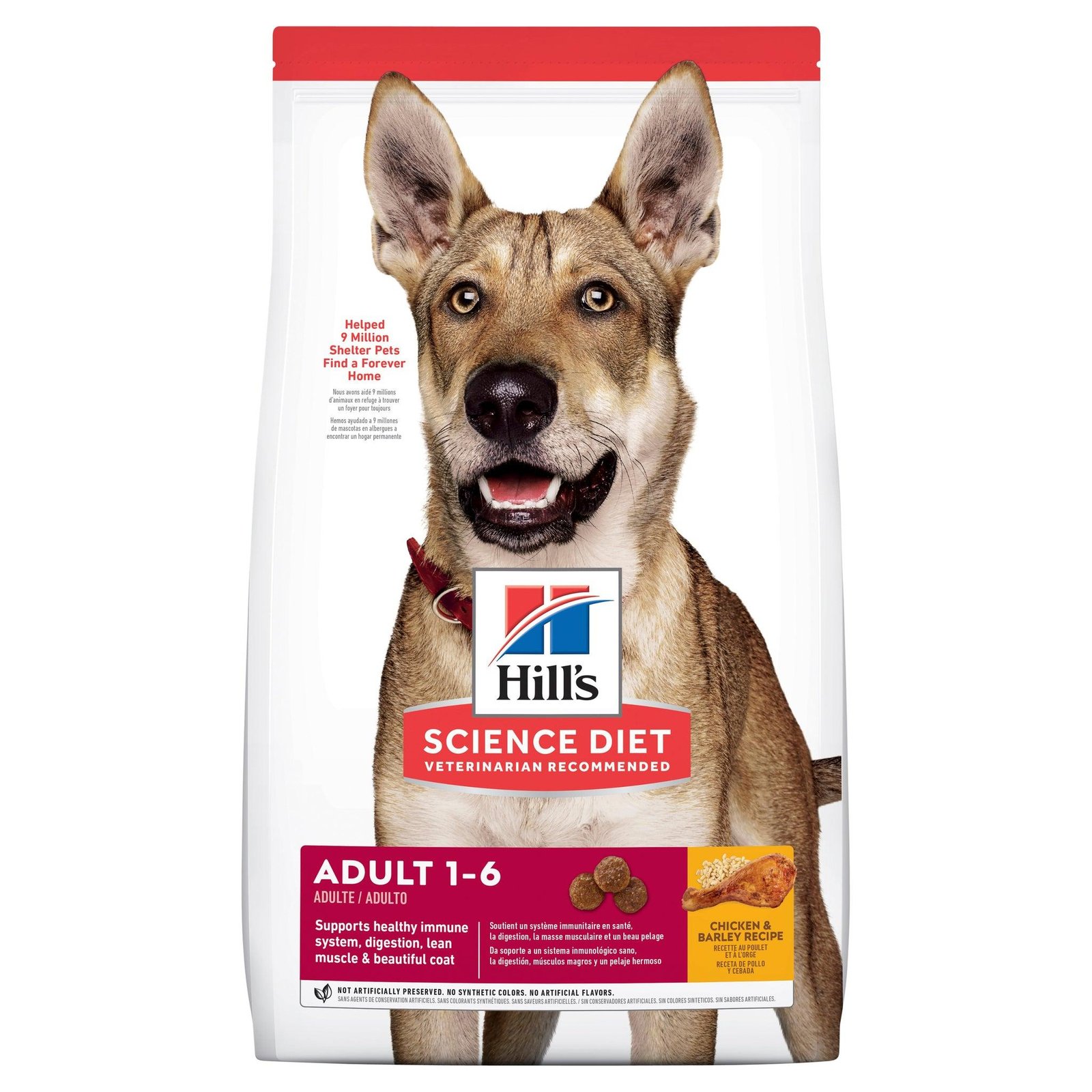
The American pet-food market offers many options, including dry kibble, wet food, fresh food, and specialized diets. Some widely recognized dog-food brands available in the USA include Purina Pro Plan, Hill’s Science Diet, Royal Canin, Blue Buffalo, IAMS, and The Farmer’s Dog.

However, the most expensive or popular food isn’t necessarily the best choice for every dog. A puppy, adult dog, senior dog, and dog with a particular health condition can have very different nutritional requirements.

When choosing dog food, look for a product that is appropriate for your dog’s age, size, activity level, and specific nutritional needs. If your dog has allergies, digestive problems, or another health concern, ask a veterinarian before changing its diet.

How to Take Care of a Dog

Provide a Balanced Diet

Feed your dog an appropriate amount of complete and balanced food. Avoid making table scraps a major part of the diet, and be particularly careful with foods that can be dangerous to dogs, such as chocolate, grapes and raisins, onions, garlic, and products containing xylitol.

Fresh drinking water should always be available.

Give Your Dog Daily Exercise

Exercise requirements depend on breed, age, size, and health. Some dogs need long walks and active play every day, while others may be comfortable with shorter walks.

Playing fetch, walking, running, and using interactive toys can help keep dogs physically and mentally stimulated.

Keep Up With Grooming

Regular grooming helps keep your dog comfortable and clean. Depending on the breed, grooming may include:

  • Brushing the coat
  • Bathing when necessary
  • Nail trimming
  • Ear cleaning
  • Dental care
  • Regular coat trimming

Dogs with long or curly coats generally need more frequent grooming than short-haired breeds.

Visit the Veterinarian

Routine veterinary care is an important part of responsible dog ownership. Regular checkups can help identify potential health problems early. Vaccinations, parasite prevention, dental care, and other preventive treatments should be discussed with your veterinarian.

If your dog suddenly stops eating, has difficulty breathing, repeatedly vomits, becomes unusually weak, or shows other serious symptoms, seek veterinary advice promptly.

Train and Socialize Your Dog

Training helps dogs understand household rules and can make everyday life easier. Basic commands such as sit, stay, come, and leave it are useful for safety.

Positive reinforcement—rewarding desired behavior with treats, praise, or play—is a widely used approach to dog training.

Socialization is also important. Gradually introducing a dog to different people, environments, sounds, and appropriately selected dogs can help build confidence.

Give Your Dog a Safe Home

Dogs should have a comfortable place to sleep, access to clean water, and a safe environment. Keep medications, cleaning products, toxic foods, and other hazardous items out of reach.

Make sure your dog has proper identification, such as a collar with contact information and a registered microchip where appropriate.
Conclusion

Taking care of a dog involves much more than choosing a breed and buying food. A healthy dog needs good nutrition, exercise, grooming, training, veterinary care, mental stimulation, and plenty of attention.

Whether you choose a Labrador Retriever, Golden Retriever, French Bulldog, German Shepherd, Poodle, or another breed, take time to understand that dog’s individual needs. With responsible care and regular veterinary guidance, you can help your dog enjoy a healthy, active, and happy life.