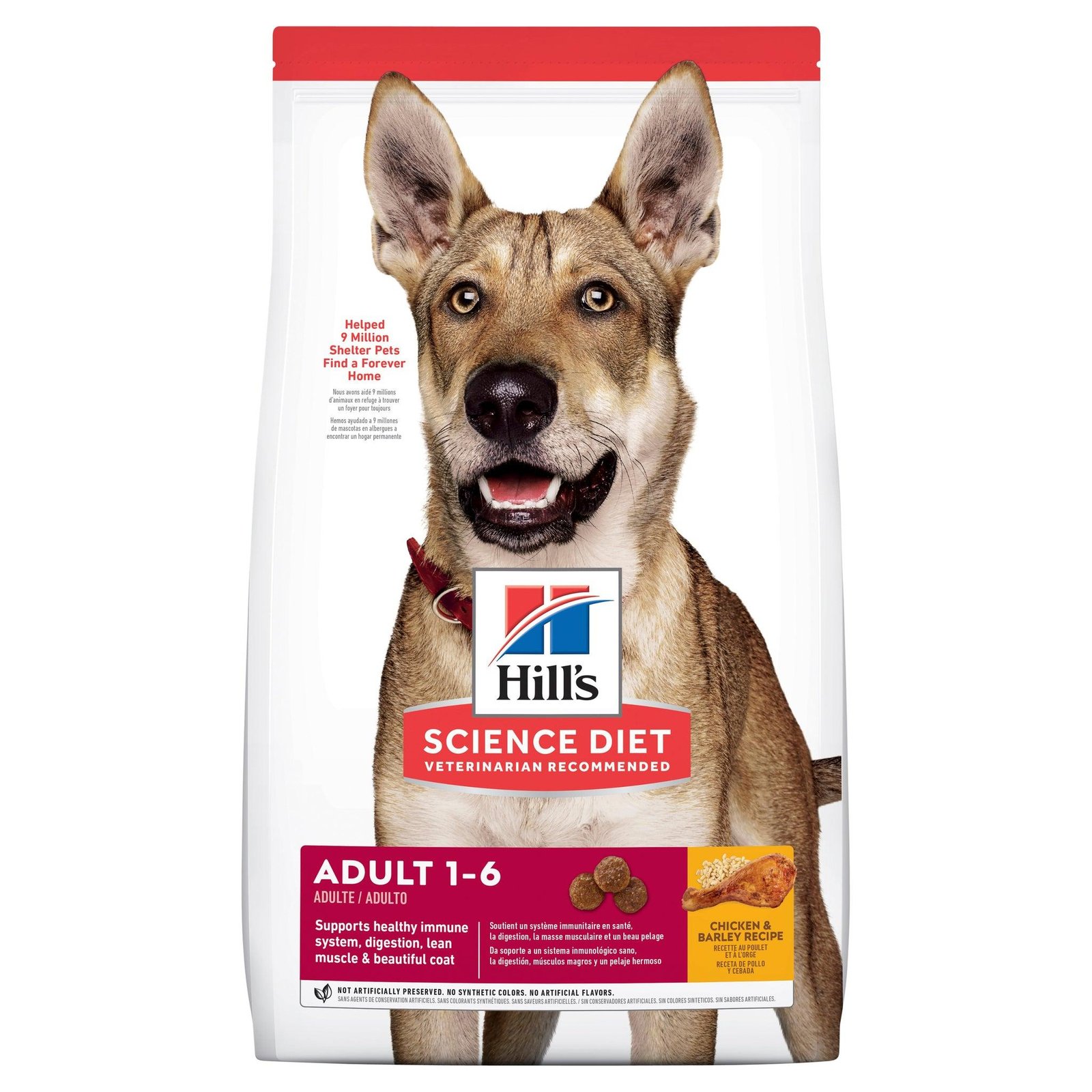
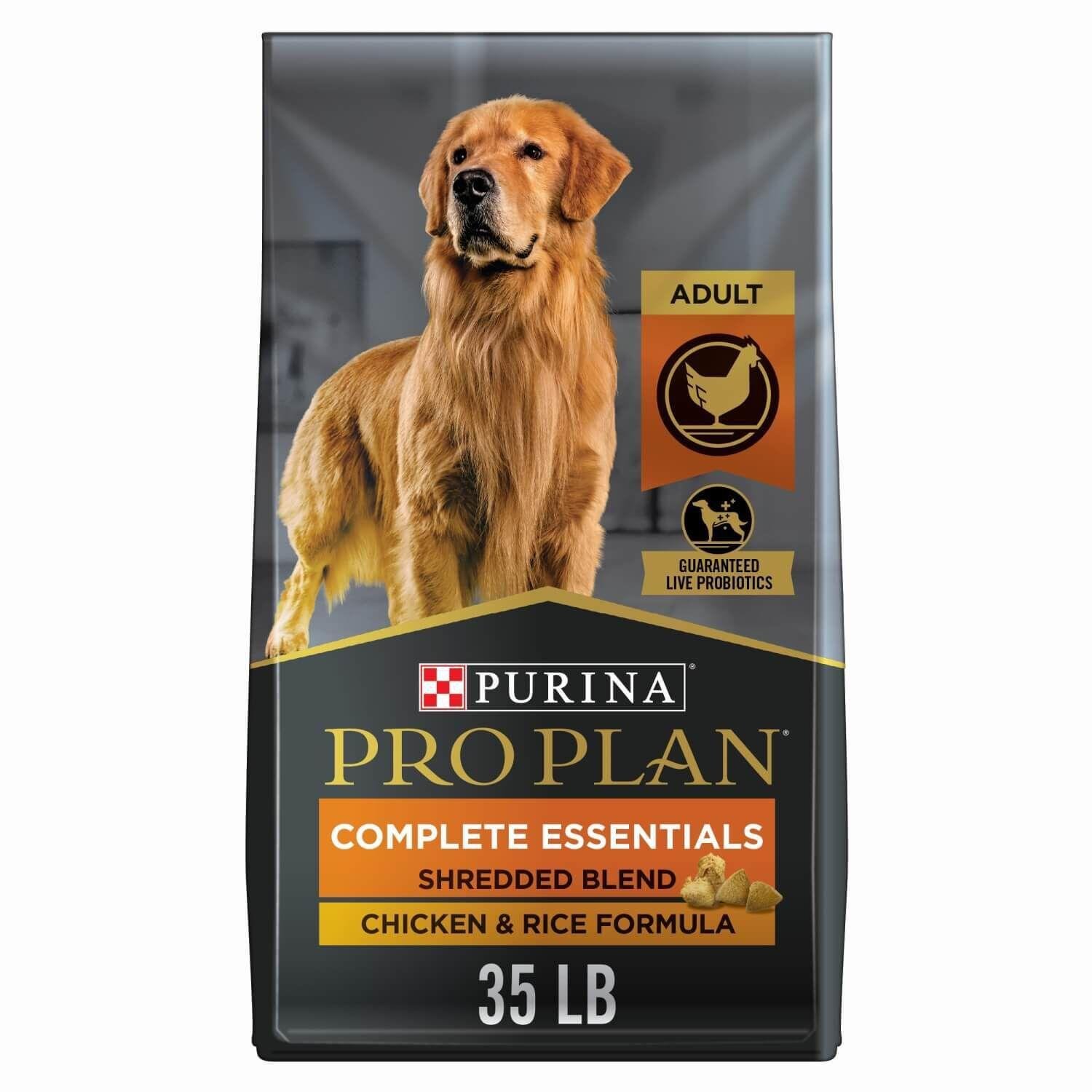
Provide a Balanced Diet
Feed your dog an appropriate amount of complete and balanced food. Avoid making table scraps a major part of the diet, and be particularly careful with foods that can be dangerous to dogs, such as chocolate, grapes and raisins, onions, garlic, and products containing xylitol.
Fresh drinking water should always be available.
Give Your Dog Daily Exercise
Exercise requirements depend on breed, age, size, and health. Some dogs need long walks and active play every day, while others may be comfortable with shorter walks.
Playing fetch, walking, running, and using interactive toys can help keep dogs physically and mentally stimulated.
Keep Up With Grooming
Regular grooming helps keep your dog comfortable and clean. Depending on the breed, grooming may include:
- Brushing the coat
- Bathing when necessary
- Nail trimming
- Ear cleaning
- Dental care
- Regular coat trimming
Dogs with long or curly coats generally need more frequent grooming than short-haired breeds.
Visit the Veterinarian
Routine veterinary care is an important part of responsible dog ownership. Regular checkups can help identify potential health problems early. Vaccinations, parasite prevention, dental care, and other preventive treatments should be discussed with your veterinarian.
If your dog suddenly stops eating, has difficulty breathing, repeatedly vomits, becomes unusually weak, or shows other serious symptoms, seek veterinary advice promptly.
Train and Socialize Your Dog
Training helps dogs understand household rules and can make everyday life easier. Basic commands such as sit, stay, come, and leave it are useful for safety.
Positive reinforcement—rewarding desired behavior with treats, praise, or play—is a widely used approach to dog training.
Socialization is also important. Gradually introducing a dog to different people, environments, sounds, and appropriately selected dogs can help build confidence.
Give Your Dog a Safe Home
Dogs should have a comfortable place to sleep, access to clean water, and a safe environment. Keep medications, cleaning products, toxic foods, and other hazardous items out of reach.
Make sure your dog has proper identification, such as a collar with contact information and a registered microchip where appropriate.